02—Services
CAD & Engineering Automation
A lot of engineering work is not really new work. The same decisions come back, the same drawings are adjusted, and the same checks happen again because the knowledge only lives in the engineer's head or in loose work instructions.
Less repetitive work, more knowledge in the model
A lot of engineering work is not really new work. The same decisions come back, the same drawings are adjusted, and the same checks happen again because the knowledge only lives in the engineer's head or in loose work instructions.
That is where I try to use automation. Not to take the engineer out of the process, but to take the predictable part of the work off their hands and lock product knowledge down more clearly.
It often starts in CAD
An automation project does not have to become a large software system immediately.
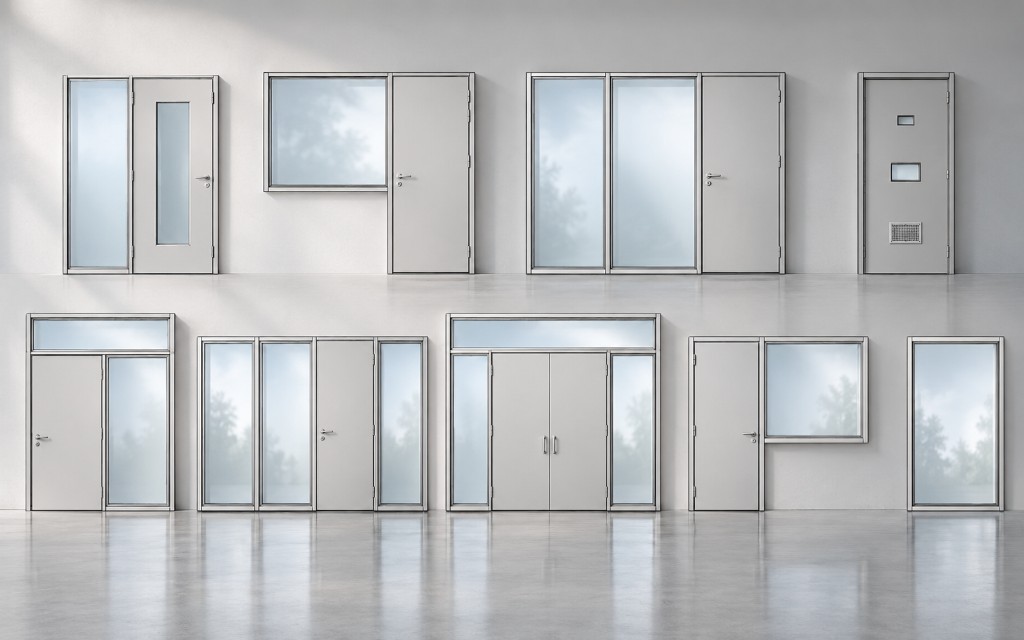
Sometimes a good parametric Inventor model with a few clear iLogic rules is enough. Dimensions can be derived from each other, components can be chosen or suppressed automatically, and drawings can change with the model.
When the variation gets larger, the same approach can grow into automatic assemblies, file structures, bills of materials, drawings and production output.
First understand what is actually repeatable
Not everything that happens often should be automatic.
I first try to distinguish which decisions are really settled and which still ask for engineering judgement. If you do not make that distinction, you mainly automate exceptions and build a system that becomes harder and harder to maintain.
Good automation makes the process smaller and clearer. It moves knowledge from loose actions into a model that explains why something happens.
CAD is sometimes the right place, sometimes not
Part of the logic belongs close to the CAD model. Geometric relations, component selection and drawing automation are often very natural there.
Other knowledge sits better outside it. Product rules that also affect pricing, a web configurator or manufacturing should not necessarily be hidden only in an Inventor model. On larger systems I therefore look carefully at the boundary between CAD, product logic and software.
That later makes it easier to use the same knowledge in more than one place.
Typical assignments
I work among other things on parametric models, iLogic, automatic model build-up, assembly configuration, drawing automation and output to bills of materials or production. The exact form depends on the existing process and on how much variation the product actually has.
Sometimes the best solution is a small automation that saves an engineer time every day. Sometimes it is more logical to grow into a real product configurator.
When this becomes interesting
Engineering automation becomes especially interesting when the same product family comes back often, when variants are still built up too much by hand, or when knowledge sits strongly with a few experienced people.
If you feel CAD could do much more than it does today, but it is not clear where to start, I can help find which part gives the most return.
02—Selected