Stop engineering the same product twice.
How manufacturers can connect product configuration, quotations and production.
A 3D configurator can do more than show a product. For recurring product families, the larger opportunity is to preserve product knowledge from the first customer choice through to manufacturing.
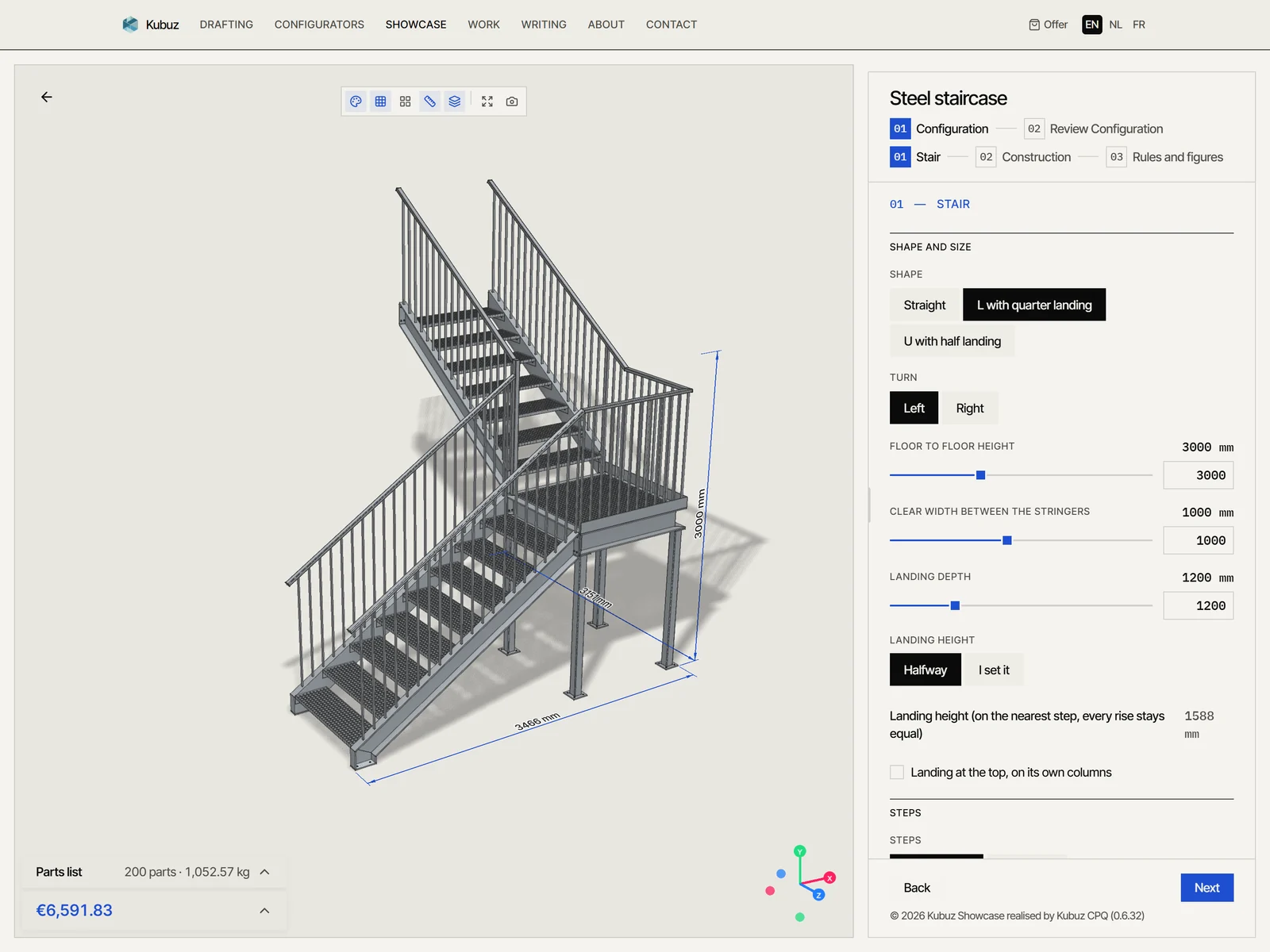
A different size. The same work again.
A customer specifies dimensions and options. Sales prepares a quote. Engineering interprets the order again, adjusts geometry and updates the parts. Production receives drawings, cutting lists and instructions. Much of the information was already known, but it changes hands several times.
- The same choices are entered or interpreted again.
- A small change in size or layout creates fresh technical work.
- Rules and exceptions remain in spreadsheets, notes or people’s heads.
- Customer request
- Sales re-enters choices
- Engineering interprets the order
- CAD and drawings are updated
- Workshop prepares manufacturing information
- Customer or sales configures
- Rules check allowed combinations
- Price and geometry follow the choices
- Technical outputs continue from the model
- Workshop receives coherent product information
One product definition.
A useful product model can connect dimensions, materials and options to limits, component relationships, calculations and geometry. Its outputs may include a 3D view, a price, a quotation, a parts list, drawings or manufacturing files. Which outputs can be automated depends on the product and the agreed scope.
This does not replace CAD, ERP or engineering judgment. It gives those systems a more consistent starting point.
1What is the repeated work worth?
From real products.
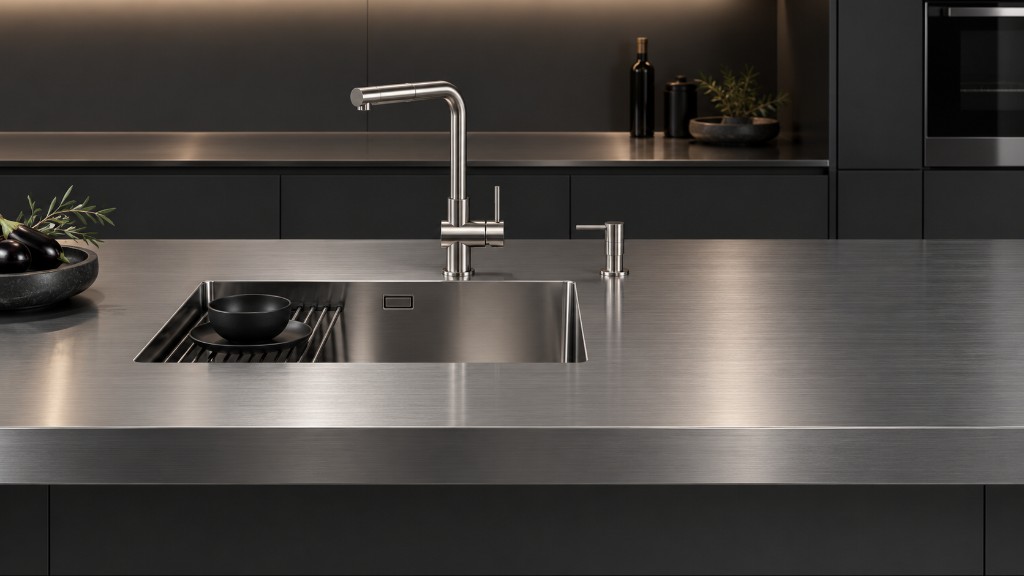
Inoxplus — configurable stainless steel
Kubuz built a configurator for made-to-measure stainless worktops and related product families. Product choices, geometry, price and quotation use the same underlying model. Folds, cut-outs, sinks and dimensions affect the product that is built.
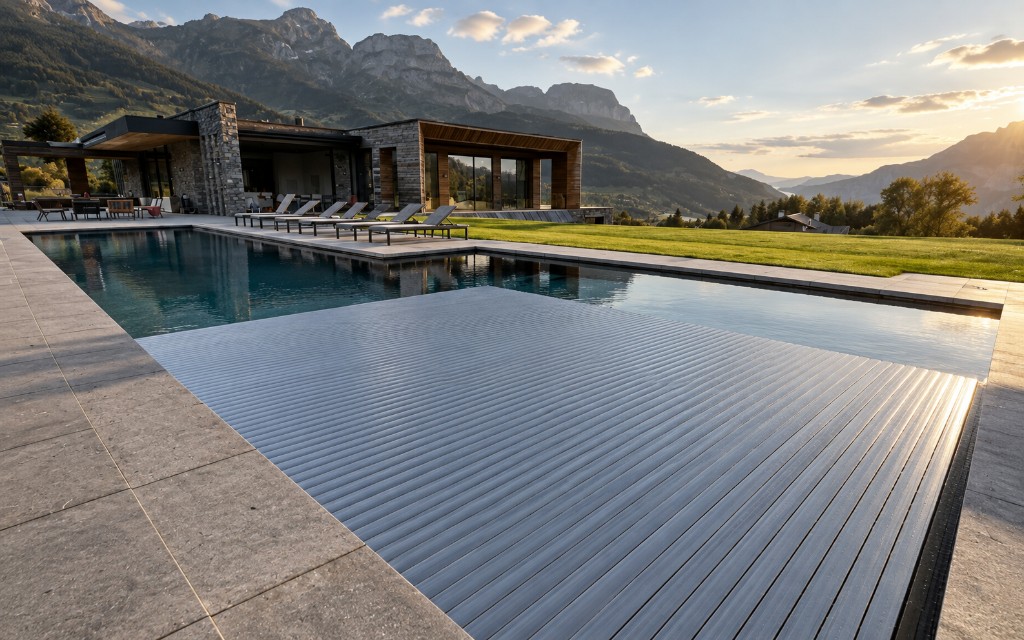
Technics & Applications — pool-cover cutting data
For slatted pool covers, pool geometry determined individual slat lengths and their production sequence. Configuration continued into CNC cutting data rather than requiring the workshop to interpret the choices again.
The public Kubuz Showcase demonstrates the principle with stairs, balustrades, cabinets, sheet-metal parts and other product families. Showcase examples are demonstrations, not claims of a commissioned production deployment. showcase.kubuz.net
1Does your product fit?
| A good fit when | Less suitable when |
|---|---|
| A base product returns in different sizes or options | Almost every job is a genuinely new engineering problem |
| Rules and limits can be explained and checked | The design logic changes radically every time |
| Sales, CAD and production reuse overlapping information | There is little repeatable structure to capture |
| Output such as quotation, price, BOM, DXF or drawings is useful | Only occasional drafting capacity is needed |
Start with one product family.
- Map repeated decisions: review a small set of real orders, variants, rules and exceptions.
- Define a realistic first scope: what is configured, what stays manual and what production information is required.
- Build and validate: test actual variants against engineering practice before extending the model.
Have a product that keeps being drawn again?
Send a short description or a representative drawing. We can discuss whether configuration makes sense, which outputs matter and where human engineering remains essential.
dennis@kubuz.net · kubuz.net/en/contact